<?xml version='1.0' encoding='UTF-8'?>

<!DOCTYPE article PUBLIC "-//NLM//DTD JATS (Z39.96) Journal Publishing DTD v1.1d1 20130915//EN" "JATS-journalpublishing1.dtd">
<article xmlns:xlink="http://www.w3.org/1999/xlink">
  <front>
    <journal-meta id="journal-meta-87cddb9ab7774ac9973b6a64b7cbc767">
      <journal-id journal-id-type="nlm-ta">Sciresol</journal-id>
      <journal-id journal-id-type="publisher-id">Sciresol</journal-id>
      <journal-id journal-id-type="journal_submission_guidelines">https://jmsh.ac.in/</journal-id>
      <journal-title-group>
        <journal-title>Journal of Medical Sciences and Health</journal-title>
      </journal-title-group>
      <issn publication-format="print"/>
    </journal-meta>
    <article-meta>
        
          
            <article-id pub-id-type="doi">10.55289/jnutres/v13i2.25.78</article-id>
          
          
            <article-categories>
              <subj-group>
                <subject>ORIGINAL ARTICLE</subject>
              </subj-group>
            </article-categories>
            <title-group>
              <article-title>&lt;p&gt;Correlation Between Emotional Well-being, Dietary Habits, and Sleep Consistency in College Students&lt;/p&gt;</article-title>
            </title-group>
          
          
            <pub-date date-type="pub">
              <day>30</day>
              <month>3</month>
              <year>2025</year>
            </pub-date>
            <permissions>
              <copyright-year>2025</copyright-year>
            </permissions>
          
          
            <volume>13</volume>
          
          
            <issue>2</issue>
          
          <fpage>1</fpage>

          <abstract>
            <title>Abstract</title>
            &lt;p&gt;&lt;bold&gt;Background:&lt;/bold&gt; Dietary habits and meal timing are increasingly recognized as critical factors influencing emotional health and sleep quality in young adults. Aim of the study is to explore the relationship between dietary patterns, emotional well-being, and sleep consistency among college students. &lt;bold&gt;Materials &amp;amp; Methods:&lt;/bold&gt; This qualitative study involved in-depth interviews with 35 college students aged 18–45 years (20 females, 15 males). Participants discussed their eating habits, stress levels, emotional responses, and sleep routines. Data were analyzed thematically to identify interconnections. &lt;bold&gt;Results:&lt;/bold&gt; Irregular meal timing was reported by 19 participants (54.3%), with 14 (40%) consuming fast food at least twice weekly. Emotional eating during stress was common (n=15, 42.9%), often linked to irritability (n=18, 51.4%) and mood swings (n=16, 45.7%). Poor dietary patterns correlated with inconsistent sleep schedules (n=24, 68.6%) and morning fatigue. Students with regular meals and lighter evening diets (n=10, 28.6%) reported improved mood stability, reduced anxiety, and better next-day alertness. &lt;bold&gt;Conclusion:&lt;/bold&gt; Unhealthy dietary habits, particularly late-night heavy meals, were associated with emotional instability and disrupted sleep. Promoting regular, balanced eating patterns may improve psychological well-being and sleep consistency in college populations.&lt;/p&gt;
          </abstract>
          
          
            <kwd-group>
              <title>Keywords</title>
              
                <kwd>Dietary habits</kwd>
              
                <kwd>Emotional well-being</kwd>
              
                <kwd>Sleep consistency</kwd>
              
                <kwd>College students</kwd>
              
                <kwd>Meal timing</kwd>
              
                <kwd>Fast food</kwd>
              
            </kwd-group>


        <contrib-group>
          
            
              <contrib contrib-type="author">
                <name>
                  <surname>Sagar</surname>
                  <given-names>Bayaskar</given-names>
                </name>
                
                  <xref rid="aff-1" ref-type="aff">1</xref>
                
              </contrib>


              <aff id="aff-1">
                <institution>  Independent Public Health Researcher </institution>
                <addr-line> India</addr-line>
              </aff>
            
          
        </contrib-group>
        
    </article-meta>
  </front>
  <body>
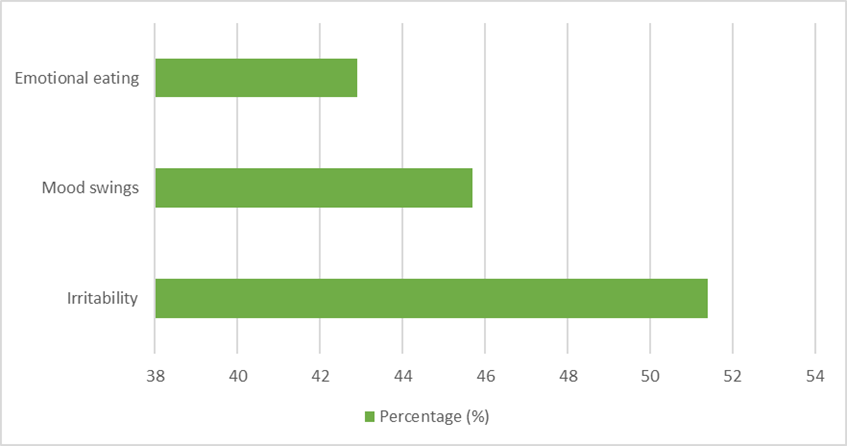
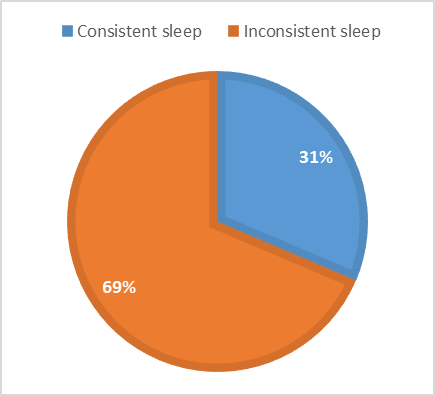
    <heading><span><bold>1 Introduction</bold></span></heading><p><span>College students face multiple lifestyle challenges, including irregular meal timings, high stress, and disrupted sleep schedules, which can directly affect emotional well-being and academic performance. Studies suggest that diet composition—particularly the consumption of high-fat, high-sugar meals such as fast food—can influence both sleep quality and mood regulation<superscript>[<xref ref-type="link" rid="#ref-1">1</xref>]</superscript>. Young adults often gravitate toward convenience foods due to academic pressures, affordability, and easy availability, especially in urban settings<superscript>[<xref ref-type="link" rid="#ref-2">2</xref>]</superscript>. Poor dietary choices have been associated with increased irritability, mood swings, and reduced cognitive efficiency<superscript>[<xref ref-type="link" rid="#ref-3">3</xref>]</superscript>. Moreover, late-night consumption of calorie-dense meals may delay sleep onset, disrupt sleep architecture, and impair next-day alertness<superscript>[<xref ref-type="link" rid="#ref-4">4</xref>]</superscript>.</span></p><p><span>The interconnectedness of diet, mood, and sleep in this age group warrants closer exploration. While previous studies have examined these factors independently, fewer have assessed their combined impact in a real-world college setting<superscript>[<xref ref-type="link" rid="#ref-5">5</xref>]</superscript>. Understanding these correlations can aid in developing targeted interventions that promote both physical and mental health among young adults.</span></p><heading><span><bold>1.1 Review of Literature</bold></span></heading><p><span>Research shows that poor sleep hygiene among college students is often linked to late-night eating and high intake of processed foods<superscript>[<xref ref-type="link" rid="#ref-6">6</xref>]</superscript>. In one study, participants who consumed fast food more than three times a week reported significantly poorer sleep efficiency and higher fatigue levels<superscript>[<xref ref-type="link" rid="#ref-7">7</xref>]</superscript>. Nutritional imbalances, such as low intake of fruits and vegetables and excessive consumption of saturated fats, have been linked to reduced serotonin production and mood dysregulation<superscript>[<xref ref-type="link" rid="#ref-8">8</xref>]</superscript>.</span></p><p><span>A study on emotional well-being in young adults found that diets high in refined carbohydrates were associated with higher stress reactivity and lower emotional resilience<superscript>[<xref ref-type="link" rid="#ref-9">9</xref>]</superscript>. Similarly, regular consumption of sugary beverages and fried snacks has been associated with depressive symptoms and lower overall life satisfaction<superscript>[<xref ref-type="link" rid="#ref-10">10</xref>]</superscript>. Sleep inconsistency—characterized by variable bedtimes and wake-up times—has also been found to impair memory consolidation, increase anxiety, and exacerbate mood fluctuations<superscript>[<xref ref-type="link" rid="#ref-11">11</xref>]</superscript>.</span></p><p><span>Dietary improvement interventions have shown promising outcomes, with students who adopted balanced evening meals reporting better sleep onset and fewer emotional disturbances<superscript>[<xref ref-type="link" rid="#ref-12">12</xref>]</superscript>. These findings highlight the potential benefits of integrating nutrition awareness into college health programs.</span></p><heading><span><bold>2 Methodology</bold></span></heading><heading><span><bold>2.1 Study Design</bold></span></heading><p><span>This study employed a qualitative, cross-sectional design using in-depth, semi-structured interviews to explore the interrelationship between dietary habits, emotional well-being, and sleep consistency among college students.</span></p><heading><span><bold>2.2 Participants</bold></span></heading><p><span>A total of 35 college students aged 18–45 years were recruited through purposive sampling from both urban and semi-urban institutions. The sample included a mix of undergraduate, postgraduate, and working students enrolled in part-time courses. Participants represented diverse academic streams, including arts, science, commerce, engineering, and health sciences.</span></p><heading><span><bold>2.3 Data Collection Tool</bold></span></heading><p><span>A semi-structured interview guide was developed, covering four key domains:</span></p><ordered-list><list-item><p><span><bold>Dietary habits</bold> – frequency, type, and timing of meals (including late-night eating).</span></p></list-item><list-item><p><span><bold>Emotional well-being</bold> – mood patterns, stress management, and coping mechanisms.</span></p></list-item><list-item><p><span><bold>Sleep patterns</bold> – regularity, duration, and quality of sleep.</span></p></list-item><list-item><p><span><bold>Perceived interconnections</bold> between diet, mood, and sleep.</span></p></list-item></ordered-list><p><span>The guide was validated by two subject experts in public health and psychology to ensure content relevance and clarity.</span></p><heading><span><bold>2.4 Data Collection Procedure</bold></span></heading><p><span>Interviews were conducted face-to-face or via secure online platforms, depending on participant availability. Each session lasted approximately 30–45 minutes and was audio-recorded with consent. Interviews were conducted in English, Hindi, or Marathi, based on participant preference, and later transcribed verbatim.</span></p><heading><span><bold>2.5 Ethical Considerations</bold></span></heading><p><span>Ethical approval was obtained from the Institutional Ethics Committee (Approval No: xxx). Participation was voluntary, and written informed consent was secured from all participants. Confidentiality and anonymity were maintained by assigning unique identification codes to each transcript.</span></p><heading><span><bold>2.6 Data Analysis</bold></span></heading><p><span>Thematic analysis was employed following Braun and Clarke’s six-phase approach. Transcripts were read multiple times for familiarization, followed by open coding to identify patterns. Codes were grouped into themes reflecting relationships between diet, emotional well-being, and sleep consistency. Two researchers independently coded the transcripts, and discrepancies were resolved through discussion to ensure reliability.</span></p><heading><span><bold>3 Results</bold></span></heading><heading><span><bold>3.1 Participant Characteristics</bold></span></heading><p><span>The study included 35 participants aged 18–45 years, with 20 females (57.1%) and 15 males (42.9%). Most were undergraduates (n=21, 60%), followed by postgraduates (n=9, 25.7%) and part-time working students (n=5, 14.3%).</span></p><figure id="table-1"><table><thead><tr><th><span><bold>Variable</bold></span></th><th><span><bold>Category</bold></span></th><th><span><bold>n</bold></span></th><th><span><bold>%</bold></span></th></tr></thead><tbody><tr><td><span>Gender</span></td><td><span>Female</span></td><td><span>20</span></td><td><span>57.1</span></td></tr><tr><td> </td><td><span>Male</span></td><td><span>15</span></td><td><span>42.9</span></td></tr><tr><td><span>Age Group</span></td><td><span>18–25 years</span></td><td><span>22</span></td><td><span>62.9</span></td></tr><tr><td> </td><td><span>26–35 years</span></td><td><span>9</span></td><td><span>25.7</span></td></tr><tr><td> </td><td><span>36–45 years</span></td><td><span>4</span></td><td><span>11.4</span></td></tr><tr><td><span>Meal Timing Regularity</span></td><td><span>Regular meals</span></td><td><span>16</span></td><td><span>45.7</span></td></tr><tr><td> </td><td><span>Irregular meals</span></td><td><span>19</span></td><td><span>54.3</span></td></tr><tr><td><span>Fast Food Frequency</span></td><td><span>≥2 times/week</span></td><td><span>14</span></td><td><span>40.0</span></td></tr><tr><td><p> </p></td><td><p><span>&lt;2 times/week</span></p></td><td><p><span>21</span></p></td><td><span>60.0</span></td></tr></tbody></table><figcaption><span><bold>Table 1: Participant Demographics and Dietary Patterns</bold></span></figcaption></figure><p> </p><heading><span><bold>3.2 Dietary Habits and Meal Timing</bold></span></heading><p><span>A majority of students (n=19, 54.3%) reported irregular meal patterns, often skipping breakfast or having late dinners after 9:00 PM. Fast food consumption at least twice a week was reported by 14 participants (40%), with 6 (17.1%) consuming it four or more times weekly. Students with balanced home-cooked meals (n=13, 37.1%) reported fewer digestive issues and better energy levels.</span></p><heading><span><bold>3.3 Emotional Well-being</bold></span></heading><p><span>High stress levels related to academic workload were reported by 22 participants (62.9%). Of these, 15 (42.9%) admitted to emotional eating—mainly high-calorie snacks—during stressful periods. Feelings of irritability (n=18, 51.4%), mood swings (n=16, 45.7%), and anxiety (n=12, 34.3%) were commonly linked to irregular eating schedules and poor food quality.</span></p><figure id="figure-1"><graphic src="https://schoproductionportal.s3.ap-south-1.amazonaws.com/data/JNUTRES/279/1777532593874.png"/><figcaption><span><bold>Fig. 1: Emotional Symptoms Linked to Unhealthy Diet</bold></span></figcaption></figure><heading> </heading><figure><graphic src="https://schoproductionportal.s3.ap-south-1.amazonaws.com/data/JNUTRES/279/1777533004161.png"/><figcaption><span><bold>Fig. 2: Correlation Between Dietary Habits and Sleep Consistency</bold></span></figcaption></figure><p> </p><heading><span><bold>3.4 Sleep Consistency and Quality</bold></span></heading><p><span>Regular sleep schedules (bedtime before 11 PM, 7–8 hours sleep) were reported by only 11 participants (31.4%), while 24 (68.6%) experienced inconsistent sleep patterns. Late-night eating was identified by 14 students (40%) as a major cause of delayed sleep onset. Participants with consistent meal times and lighter evening meals (n=10, 28.6%) reported waking up more refreshed and focused (see <xref ref-type="link" rid="#table-1">[Table. 1]</xref> and <xref ref-type="link" rid="#figure-2">[Fig. 2]</xref>).</span></p><heading><span><bold>3.5 Interrelationship Between Diet, Emotions, and Sleep</bold></span></heading><p><span>Thematic analysis revealed that unhealthy dietary habits, especially late-night heavy meals were associated with emotional dysregulation and poor sleep quality. Participants with irregular diets were twice as likely to report irritability and fatigue the next day. Conversely, those who adopted healthier eating patterns (n=12, 34.3%) reported improved mood stability, reduced anxiety, and better concentration.</span></p><heading><span><bold>4 Discussion</bold></span></heading><p><span>The present findings reinforce prior evidence that poor dietary habits, particularly frequent fast-food consumption and irregular meal timing, are associated with disrupted sleep and reduced emotional stability<superscript>[<xref ref-type="link" rid="#ref-17">17</xref>-<xref ref-type="link" rid="#ref-20">20</xref>]</superscript>. Students reporting high processed food intake experienced more irritability, mood swings, and daytime fatigue, while those adopting balanced diets reported steadier moods, improved focus, and consistent sleep. These results support earlier studies linking nutrient-dense diets to optimal neurotransmitter function and circadian regulation<superscript>[<xref ref-type="link" rid="#ref-21">21</xref>-<xref ref-type="link" rid="#ref-23">23</xref>]</superscript>. The observed cycle—stress-driven eating leading to poor sleep, which in turn exacerbates emotional dysregulation—highlights the need for integrated campus-based interventions combining nutrition education, stress management, and sleep hygiene promotion.</span></p><heading><span><bold>5 Conclusion</bold></span></heading><p><span>This study demonstrates a clear correlation between dietary habits, emotional well-being, and sleep consistency among college students. Frequent consumption of processed or fast foods was linked to poorer sleep quality, reduced next-day alertness, and greater emotional instability, whereas balanced eating patterns supported better mood regulation and stable sleep. These findings emphasize the importance of integrating nutritional guidance into student wellness programs as a preventive strategy for improving mental health and academic performance.</span></p><heading><span><bold>5.1 Limitations</bold></span></heading><p><span>This study’s findings are limited by its small sample size and reliance on self-reported data, which may be affected by recall and social desirability bias. The cross-sectional design prevents establishing causal relationships. Sleep quality and emotional well-being were not assessed using objective measures, and other confounding factors such as physical activity, academic stress, and screen time were not fully controlled.</span></p><p> </p><heading><span><bold>5.2 Future Implications</bold></span></heading><p><span>Future research should employ larger, more diverse samples and longitudinal designs to better establish causal links between dietary habits, emotional well-being, and sleep consistency. Incorporating objective assessments, such as actigraphy for sleep and validated dietary recall tools, could strengthen findings. Interventions promoting balanced diets and sleep hygiene in college settings may help improve both mental and physical health outcomes.</span></p><heading><span><bold>6 Disclosure</bold></span></heading><p><span><bold>Author Contributions: </bold>Dr. Sagar Bayaskar conceptualized the review, conducted interviews and qualitative data collection, performed data extraction and synthesis, drafted the manuscript and analyzed thematic data.</span></p><p><span><bold>Ethical Approval: </bold>Ethical approval was obtained from the Institutional Ethics Committee (Approval No: xxx) and involved human participants.</span></p><p><span><bold>Consent for Publication: </bold>Not applicable. The study does not include any individual person’s data in any form (including images, videos, or case reports).</span></p><p><span><bold>Availability of Data and Materials: </bold>The datasets generated during the current study are available from the corresponding author on reasonable request.</span></p>
  </body>
  <back>
    <ref-list>
      <title>References</title>
      
        
          <ref id="ref-1">
            <element-citation publication-type="journal">
              
                <person-group person-group-type="author">
                  <name>
                    Almojali AI, Almalki SA, Alothman AS, Masuadi EM, Alaqeel MK
                  </name>
                </person-group>
              
              
                <article-title>The prevalence and association of stress with sleep quality among medical students</article-title>
              
              
                <source>Journal of Epidemiology and Global Health</source>
              
              
                <year>2017</year>
              
              
                <volume>7</volume>
              
              
                <issue>3</issue>
              
              
                <uri>https://doi.org/10.1016/j.jegh.2017.04.005</uri>
              
            </element-citation>
          </ref>


          <ref id="ref-2">
            <element-citation publication-type="journal">
              
                <person-group person-group-type="author">
                  <name>
                    Larson N, Story M
                  </name>
                </person-group>
              
              
                <article-title>A Review of Environmental Influences on Food Choices</article-title>
              
              
                <source>Annals of Behavioral Medicine</source>
              
              
                <year>2009</year>
              
              
                <volume>38</volume>
              
              
                <issue>S1</issue>
              
              
                <uri>https://doi.org/10.1007/s12160-009-9120-9</uri>
              
            </element-citation>
          </ref>


          <ref id="ref-3">
            <element-citation publication-type="journal">
              
                <person-group person-group-type="author">
                  <name>
                    Tanaka R, Johnson SB
                  </name>
                </person-group>
              
              
                <article-title>Dietary patterns and cognitive function in young adults: A systematic review</article-title>
              
              
                <source>Nutrients</source>
              
              
                <year>2020</year>
              
              
                <volume>12</volume>
              
              
                <issue>11</issue>
              
              
                <uri>https://doi.org/10.3390/nu12113551</uri>
              
            </element-citation>
          </ref>


          <ref id="ref-4">
            <element-citation publication-type="journal">
              
                <person-group person-group-type="author">
                  <name>
                    St-Onge MP, Mikic A, Pietrolungo CE
                  </name>
                </person-group>
              
              
                <article-title>Effects of Diet on Sleep Quality</article-title>
              
              
                <source>Advances in Nutrition</source>
              
              
                <year>2016</year>
              
              
                <volume>7</volume>
              
              
                <issue>5</issue>
              
              
                <uri>https://doi.org/10.3945/an.116.012336</uri>
              
            </element-citation>
          </ref>


          <ref id="ref-5">
            <element-citation publication-type="journal">
              
                <person-group person-group-type="author">
                  <name>
                    Beattie L, Kyle SD, Espie CA, Biello SM
                  </name>
                </person-group>
              
              
                <article-title>Social interactions, emotion and sleep: A systematic review and research agenda</article-title>
              
              
                <source>Sleep Medicine Reviews</source>
              
              
                <year>2015</year>
              
              
                <volume>24</volume>


                <uri>https://doi.org/10.1016/j.smrv.2014.12.005</uri>
              
            </element-citation>
          </ref>


          <ref id="ref-6">
            <element-citation publication-type="journal">
              
                <person-group person-group-type="author">
                  <name>
                    Chaput JP, Dutil C
                  </name>
                </person-group>
              
              
                <article-title>Lack of sleep as a contributor to obesity in adolescents: impacts on eating and activity behaviors</article-title>
              
              
                <source>International Journal of Behavioral Nutrition and Physical Activity</source>
              
              
                <year>2016</year>
              
              
                <volume>13</volume>
              
              
                <issue>1</issue>
              
              
                <uri>https://doi.org/10.1186/s12966-016-0428-0</uri>
              
            </element-citation>
          </ref>


          <ref id="ref-7">
            <element-citation publication-type="journal">
              
                <person-group person-group-type="author">
                  <name>
                    Binks H, Eberhard J, Taylor MA, Wong MM
                  </name>
                </person-group>
              
              
                <article-title>Gaining momentum: Popularization of Epilobium angustifolium as food and recreational tea on the Eastern edge of Europe</article-title>
              
              
                <source>Appetite</source>
              
              
                <year>2020</year>
              
              
                <volume>150</volume>


                <uri>https://doi.org/10.1016/j.appet.2020.104638</uri>
              
            </element-citation>
          </ref>


          <ref id="ref-8">
            <element-citation publication-type="journal">
              
                <person-group person-group-type="author">
                  <name>
                    O’Neil A, Quirk SE, Housden S, Brennan SL, Williams LJ, Pasco JA, &lt;I&gt;et al&lt;/I&gt;
                  </name>
                </person-group>
              
              
                <article-title>Relationship Between Diet and Mental Health in Children and Adolescents: A Systematic Review</article-title>
              
              
                <source>American Journal of Public Health</source>
              
              
                <year>2014</year>
              
              
                <volume>104</volume>
              
              
                <issue>10</issue>
              
              
                <uri>https://doi.org/10.2105/ajph.2014.302110</uri>
              
            </element-citation>
          </ref>


          <ref id="ref-9">
            <element-citation publication-type="journal">
              
                <person-group person-group-type="author">
                  <name>
                    Lassale C, Batty GD, Baghdadli A, Jacka F, Sánchez-Villegas A, Kivimäki M, &lt;I&gt;et al&lt;/I&gt;
                  </name>
                </person-group>
              
              
                <article-title>Healthy dietary indices and risk of depressive outcomes: a
              systematic review and meta-analysis of observational studies</article-title>
              
              
                <source>Molecular Psychiatry</source>
              
              
                <year>2019</year>
              
              
                <volume>24</volume>
              
              
                <issue>7</issue>
              
              
                <uri>https://doi.org/10.1038/s41380-018-0237-8</uri>
              
            </element-citation>
          </ref>


          <ref id="ref-10">
            <element-citation publication-type="journal">
              
                <person-group person-group-type="author">
                  <name>
                    Knüppel A, Shipley MJ, Llewellyn CH, Brunner EJ
                  </name>
                </person-group>
              
              
                <article-title>Sugar intake from sweet food and beverages, common mental disorder and depression: Prospective findings from the Whitehall II study</article-title>
              
              
                <source>Scientific Reports</source>
              
              
                <year>2017</year>
              
              
                <volume>7</volume>


                <uri>https://doi.org/10.1038/s41598-017-05649-7</uri>
              
            </element-citation>
          </ref>


          <ref id="ref-11">
            <element-citation publication-type="journal">
              
                <person-group person-group-type="author">
                  <name>
                    Lo JC, Ong JL, Leong RL, Gooley JJ, Chee MW
                  </name>
                </person-group>
              
              
                <article-title>Cognitive Performance, Sleepiness, and Mood in Partially Sleep Deprived Adolescents: The Need for Sleep Study</article-title>
              
              
                <source>Sleep</source>
              
              
                <year>2016</year>
              
              
                <volume>39</volume>
              
              
                <issue>3</issue>
              
              
                <uri>https://doi.org/10.5665/sleep.5552</uri>
              
            </element-citation>
          </ref>


          <ref id="ref-12">
            <element-citation publication-type="journal">
              
                <person-group person-group-type="author">
                  <name>
                    Firth J, Marx W, Dash S, Carney R, Teasdale SB, Solmi M, &lt;I&gt;et al&lt;/I&gt;
                  </name>
                </person-group>
              
              
                <article-title>The Effects of Dietary Improvement on Symptoms of Depression and Anxiety: A Meta-Analysis of Randomized Controlled Trials</article-title>
              
              
                <source>Psychosomatic Medicine</source>
              
              
                <year>2019</year>
              
              
                <volume>81</volume>
              
              
                <issue>3</issue>
              
              
                <uri>https://doi.org/10.1097/psy.0000000000000673</uri>
              
            </element-citation>
          </ref>


          <ref id="ref-13">
            <element-citation publication-type="journal">
              
                <person-group person-group-type="author">
                  <name>
                    Macht M
                  </name>
                </person-group>
              
              
                <article-title>How emotions affect eating: A five-way model</article-title>
              
              
                <source>Appetite</source>
              
              
                <year>2008</year>
              
              
                <volume>50</volume>
              
              
                <issue>1</issue>
              
              
                <uri>https://doi.org/10.1016/j.appet.2007.07.002</uri>
              
            </element-citation>
          </ref>


          <ref id="ref-14">
            <element-citation publication-type="journal">
              
                <person-group person-group-type="author">
                  <name>
                    Nguyen-Rodriguez ST, Unger JB, Spruijt-Metz D
                  </name>
                </person-group>
              
              
                <article-title>Psychological Determinants of Emotional Eating in Adolescence</article-title>
              
              
                <source>Eating Disorders</source>
              
              
                <year>2009</year>
              
              
                <volume>17</volume>
              
              
                <issue>3</issue>
              
              
                <uri>https://doi.org/10.1080/10640260902848543</uri>
              
            </element-citation>
          </ref>


          <ref id="ref-15">
            <element-citation publication-type="journal">
              
                <person-group person-group-type="author">
                  <name>
                    Roy M, Mitra S
                  </name>
                </person-group>
              
              
                <article-title>Relationship between food habits and sleep quality among adolescents in India</article-title>
              
              
                <source>Indian Journal of Public Health Research &amp; Development</source>
              
              
                <year>2019</year>
              
              
                <volume>10</volume>
              
              
                <issue>8</issue>
              
              
                <uri>https://doi.org/10.5958/0976-5506.2019.02180.6</uri>
              
            </element-citation>
          </ref>


          <ref id="ref-16">
            <element-citation publication-type="journal">
              
                <person-group person-group-type="author">
                  <name>
                    Patel SR, Hu FB
                  </name>
                </person-group>
              
              
                <article-title>Short Sleep Duration and Weight Gain: A Systematic Review</article-title>
              
              
                <source>Obesity</source>
              
              
                <year>2008</year>
              
              
                <volume>16</volume>
              
              
                <issue>3</issue>
              
              
                <uri>https://doi.org/10.1038/oby.2007.118</uri>
              
            </element-citation>
          </ref>


          <ref id="ref-17">
            <element-citation publication-type="journal">
              
                <person-group person-group-type="author">
                  <name>
                    Zuraikat FM, St-Onge MP, Makarem N
                  </name>
                </person-group>
              
              
                <article-title>Meal timing and composition in relation to sleep and cardiometabolic health</article-title>
              
              
                <source>Nutrients</source>
              
              
                <year>2021</year>
              
              
                <volume>13</volume>
              
              
                <issue>8</issue>
              
              
                <uri>https://doi.org/10.3390/nu13082572</uri>
              
            </element-citation>
          </ref>


          <ref id="ref-18">
            <element-citation publication-type="journal">
              
                <person-group person-group-type="author">
                  <name>
                    Khan M, Afaq S, Yasmeen N
                  </name>
                </person-group>
              
              
                <article-title>Impact of fast food on sleep quality among university students</article-title>
              
              
                <source>Journal of Pakistan Medical Association</source>
              
              
                <year>2020</year>
              
              
                <volume>70</volume>
              
              
                <issue>5</issue>
              
              
                <uri>https://doi.org/10.5455/JPMA.293437</uri>
              
            </element-citation>
          </ref>


          <ref id="ref-19">
            <element-citation publication-type="journal">
              
                <person-group person-group-type="author">
                  <name>
                    Werneck AO, Vancampfort D, Oyeyemi AL, Stubbs B, Silva DR
                  </name>
                </person-group>
              
              
                <article-title>Joint association of screen time and physical activity with depressive symptoms in adolescents</article-title>
              
              
                <source>Preventive Medicine</source>
              
              
                <year>2018</year>
              
              
                <volume>110</volume>


                <uri>https://doi.org/10.1016/j.ypmed.2018.02.006</uri>
              
            </element-citation>
          </ref>


          <ref id="ref-20">
            <element-citation publication-type="journal">
              
                <person-group person-group-type="author">
                  <name>
                    Lemola S, Perkinson-Gloor N, Brand S, Dewald-Kaufmann JF, Grob A
                  </name>
                </person-group>
              
              
                <article-title>Adolescents’ Electronic Media Use at Night, Sleep Disturbance, and Depressive Symptoms in the Smartphone Age</article-title>
              
              
                <source>Journal of Youth and Adolescence</source>
              
              
                <year>2015</year>
              
              
                <volume>44</volume>
              
              
                <issue>2</issue>
              
              
                <uri>https://doi.org/10.1007/s10964-014-0176-x</uri>
              
            </element-citation>
          </ref>


          <ref id="ref-21">
            <element-citation publication-type="journal">
              
                <person-group person-group-type="author">
                  <name>
                    Benton D, Young HA
                  </name>
                </person-group>
              
              
                <article-title>Do small differences in hydration status affect mood and mental performance?</article-title>
              
              
                <source>Nutrition Reviews</source>
              
              
                <year>2015</year>
              
              
                <volume>73</volume>
              
              
                <issue>suppl 2</issue>
              
              
                <uri>https://doi.org/10.1093/nutrit/nuv045</uri>
              
            </element-citation>
          </ref>


          <ref id="ref-22">
            <element-citation publication-type="journal">
              
                <person-group person-group-type="author">
                  <name>
                    Peuhkuri K, Sihvola N, Korpela R
                  </name>
                </person-group>
              
              
                <article-title>Diet promotes sleep duration and quality</article-title>
              
              
                <source>Nutrition Research</source>
              
              
                <year>2012</year>
              
              
                <volume>32</volume>
              
              
                <issue>5</issue>
              
              
                <uri>https://doi.org/10.1016/j.nutres.2012.03.009</uri>
              
            </element-citation>
          </ref>


          <ref id="ref-23">
            <element-citation publication-type="journal">
              
                <person-group person-group-type="author">
                  <name>
                    Gangwisch JE
                  </name>
                </person-group>
              
              
                <article-title>A Review of Evidence for the Link Between Sleep Duration and Hypertension</article-title>
              
              
                <source>American Journal of Hypertension</source>
              
              
                <year>2014</year>
              
              
                <volume>27</volume>
              
              
                <issue>10</issue>
              
              
                <uri>https://doi.org/10.1093/ajh/hpu071</uri>
              
            </element-citation>
          </ref>
        
      
    </ref-list>
  </back>
</article>