<?xml version='1.0' encoding='UTF-8'?>

<!DOCTYPE article PUBLIC "-//NLM//DTD JATS (Z39.96) Journal Publishing DTD v1.1d1 20130915//EN" "JATS-journalpublishing1.dtd">
<article xmlns:xlink="http://www.w3.org/1999/xlink">
  <front>
    <journal-meta id="journal-meta-87cddb9ab7774ac9973b6a64b7cbc767">
      <journal-id journal-id-type="nlm-ta">Sciresol</journal-id>
      <journal-id journal-id-type="publisher-id">Sciresol</journal-id>
      <journal-id journal-id-type="journal_submission_guidelines">https://jmsh.ac.in/</journal-id>
      <journal-title-group>
        <journal-title>Journal of Medical Sciences and Health</journal-title>
      </journal-title-group>
      <issn publication-format="print"/>
    </journal-meta>
    <article-meta>
        
          
            <article-id pub-id-type="doi">10.55289/jnutres/v13i2.25.23</article-id>
          
          
            <article-categories>
              <subj-group>
                <subject>ORIGINAL ARTICLE</subject>
              </subj-group>
            </article-categories>
            <title-group>
              <article-title>&lt;p&gt;Efficacy of Quinoa Supplementation on Post Prandial Blood Sugars in Diabetes Mellitus&lt;/p&gt;</article-title>
            </title-group>
          
          
            <pub-date date-type="pub">
              <day>30</day>
              <month>3</month>
              <year>2025</year>
            </pub-date>
            <permissions>
              <copyright-year>2025</copyright-year>
            </permissions>
          
          
            <volume>13</volume>
          
          
            <issue>2</issue>
          
          <fpage>1</fpage>

          <abstract>
            <title>Abstract</title>
            &lt;p&gt;&lt;bold&gt;Background:&lt;/bold&gt; In diabetic subjects, type of cereal used has an impact on glycemia and nutritional therapy can help in management of Glycemic status. Objectives: To determine the efficacy of Nutritional Councelling and Quinoa supplementation on postprandial blood sugars in diabetic subjects. &lt;bold&gt;Methods:&lt;/bold&gt; Patients were randomly divided into two groups. The experimental group (n=10) received nutritional counselling and Quinoa (Raw-60g) based meal at lunch for 28 days. The control group (n=10) received only nutritional counselling and were not given any supplementation. &lt;bold&gt;Results:&lt;/bold&gt; In the experimental group, 90% of subjects were males and 10% were females, while in the control group all subjects were males. 30% of the subjects in experimental group and 40% of control group belonged to age group of 30-39 years. In experimental group, there was a decrease in the postprandial blood sugars at the end of study period compared to the baseline (181.6 ± 82.5 to 136.7 ± 21.5 mg/dl) (p=0.09) however not significant. There was a statistically significant decrease in the intake of energy, carbohydrates and fats (p&amp;lt;0.05), with a non significant increase in protein intake (p=0.1). In the control group, there was a non-significant increase in the PPBS levels at the end of study period (217 ± 83.4 to 228.4 ± 101.1 mg/dl) (p=0.39).The control group subjects showed a statistically significant decrease in the intake of energy, carbohydrates, and fats (p&amp;lt;0.05) with a non-significant increase in the daily protein intake (p=0.17) at the end of study after nutritional counselling. The baseline PPBS (181.6mg/dl) levels statistically similar between the two groups, however, the PPBS levels at day10 (151mg/dl), day 20(149.9mg/dl) and end of study were significantly lower in experimental group as compared to the control group (p&amp;lt;0.05). However, the trends towards significantly lower energy and carbohydrate intake in the experimental group was present from the start of the study period (p&amp;lt;0.05). &lt;bold&gt;Conclusion:&lt;/bold&gt; Glycemic variation is prevalent among diabetic subjects. Quinoa supplementation caused a significant decrease in PPBS levels and also improved the overall macronutrient intake. The study also shows the effect of nutritional counselling, as there was an improvement in the macro-nutrient intake status in the control as well.&lt;/p&gt;
          </abstract>
          
          
            <kwd-group>
              <title>Keywords</title>
              
                <kwd>Quinoa; Benefits; Uses in managing diabetes; Diabetes mellitus; Post-prandial blood glucose; Functional foods; Glycemic control; Nutritional intervention</kwd>
              
            </kwd-group>


        <contrib-group>
          
            
              <contrib contrib-type="author">
                <name>
                  <surname>Swetha Sri</surname>
                  <given-names>D</given-names>
                </name>
                
                  <xref rid="aff-1" ref-type="aff">1</xref>
                
              </contrib>


              <aff id="aff-1">
                <institution> Department of Clinical Nutrition and Dietetics Apollo Hospitals </institution>
                <addr-line>Jubilee Hills, Hyderabad India</addr-line>
              </aff>
            
              <aff id="aff-2">
                <institution> HOD, Department of Clinical Nutrition and Dietetics Apollo Hospitals </institution>
                <addr-line>Hyderabad India</addr-line>
              </aff>
            
              <aff id="aff-3">
                <institution> Department of Clinical Nutrition and Dietetics Apollo Hospitals </institution>
                <addr-line>Hyderabad India</addr-line>
              </aff>


              <contrib contrib-type="author">
                <name>
                  <surname>Bathina</surname>
                  <given-names>Haritha</given-names>
                </name>
                
                  <xref rid="aff-2" ref-type="aff">2</xref>
                
              </contrib>


              <aff id="aff-1">
                <institution> Department of Clinical Nutrition and Dietetics Apollo Hospitals </institution>
                <addr-line>Jubilee Hills, Hyderabad India</addr-line>
              </aff>
            
              <aff id="aff-2">
                <institution> HOD, Department of Clinical Nutrition and Dietetics Apollo Hospitals </institution>
                <addr-line>Hyderabad India</addr-line>
              </aff>
            
              <aff id="aff-3">
                <institution> Department of Clinical Nutrition and Dietetics Apollo Hospitals </institution>
                <addr-line>Hyderabad India</addr-line>
              </aff>


              <contrib contrib-type="author">
                <name>
                  <surname>V</surname>
                  <given-names>Sowmya</given-names>
                </name>
                
                  <xref rid="aff-3" ref-type="aff">3</xref>
                
              </contrib>


              <aff id="aff-1">
                <institution> Department of Clinical Nutrition and Dietetics Apollo Hospitals </institution>
                <addr-line>Jubilee Hills, Hyderabad India</addr-line>
              </aff>
            
              <aff id="aff-2">
                <institution> HOD, Department of Clinical Nutrition and Dietetics Apollo Hospitals </institution>
                <addr-line>Hyderabad India</addr-line>
              </aff>
            
              <aff id="aff-3">
                <institution> Department of Clinical Nutrition and Dietetics Apollo Hospitals </institution>
                <addr-line>Hyderabad India</addr-line>
              </aff>
            
          
        </contrib-group>
        
    </article-meta>
  </front>
  <body>
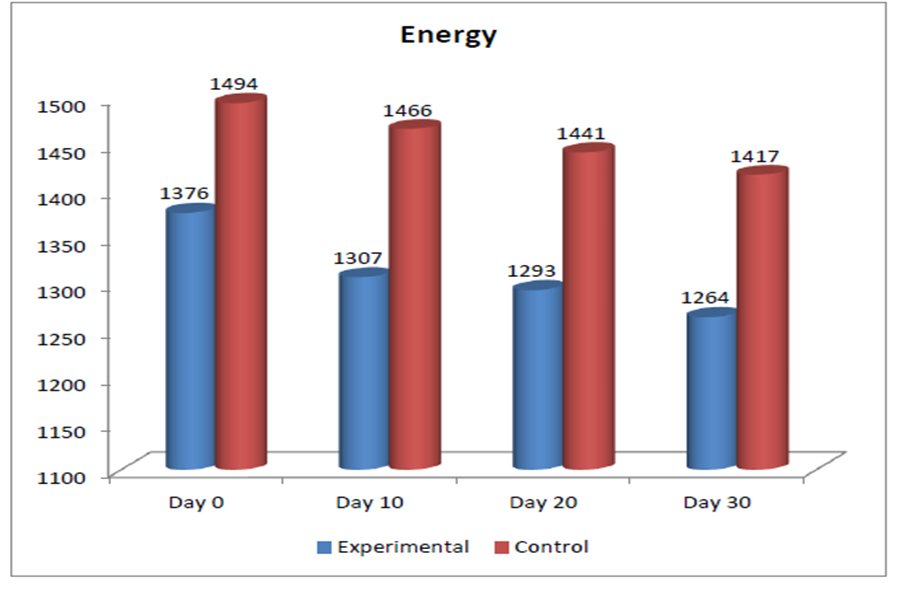
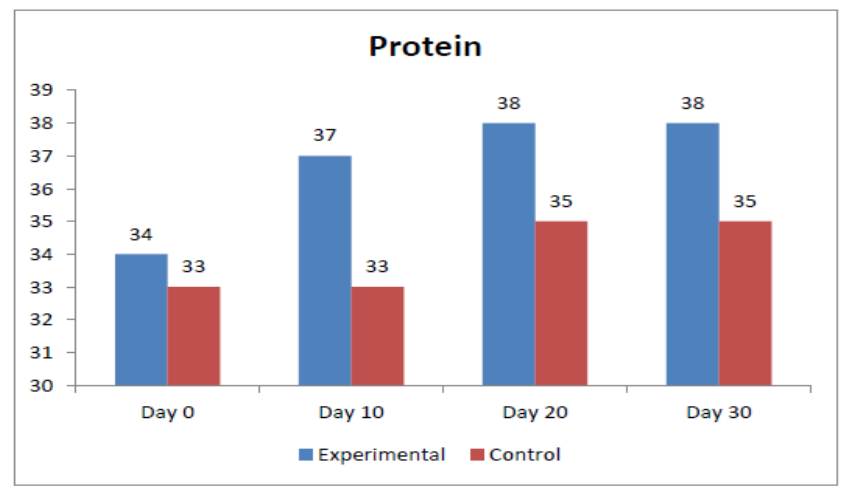
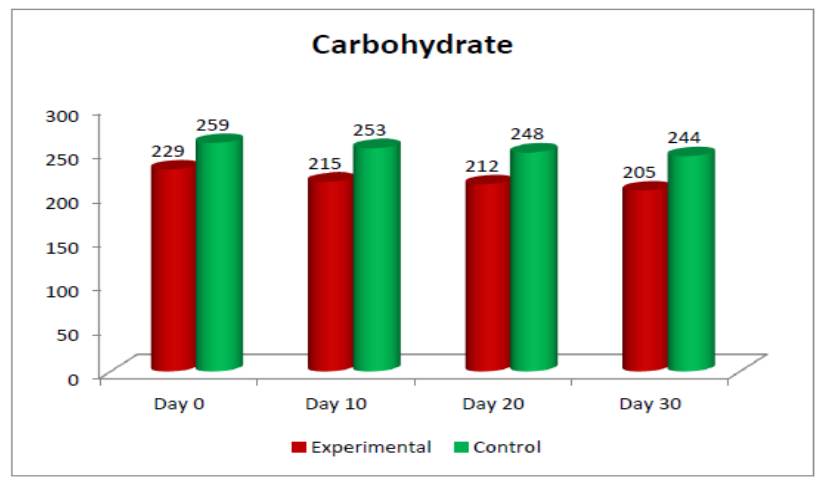
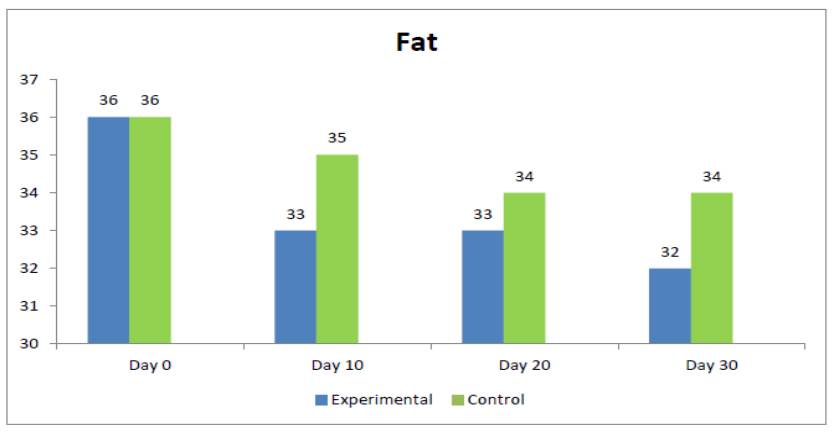
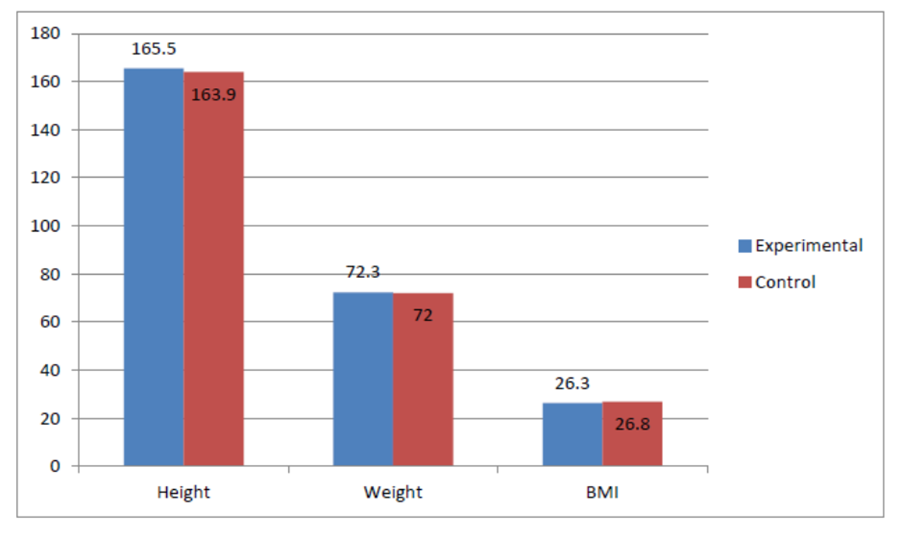
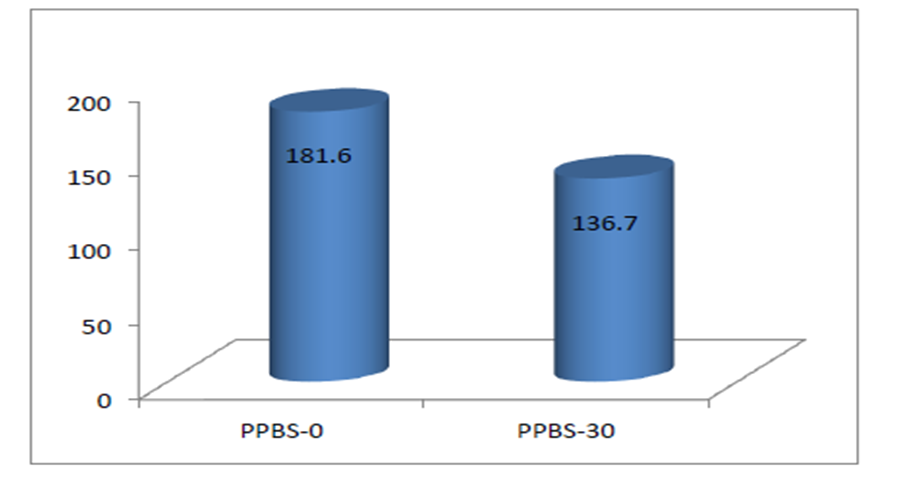
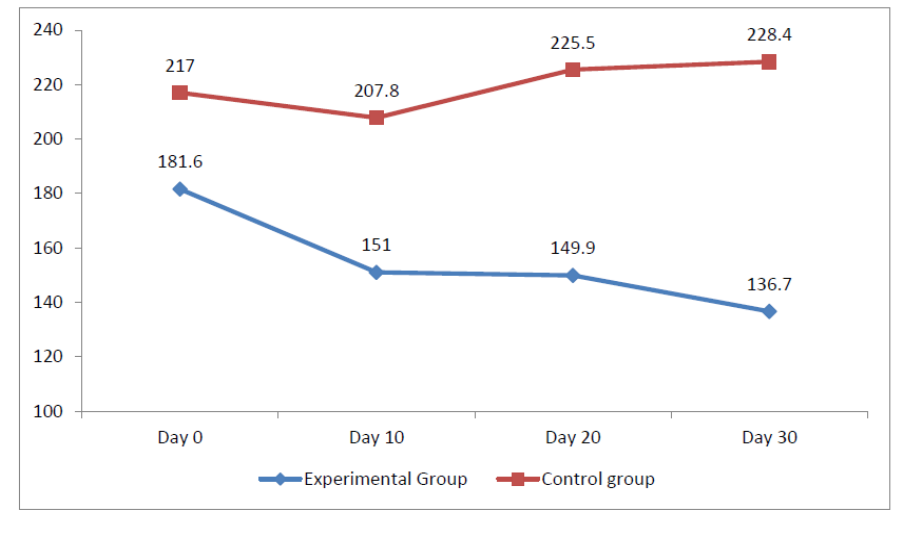
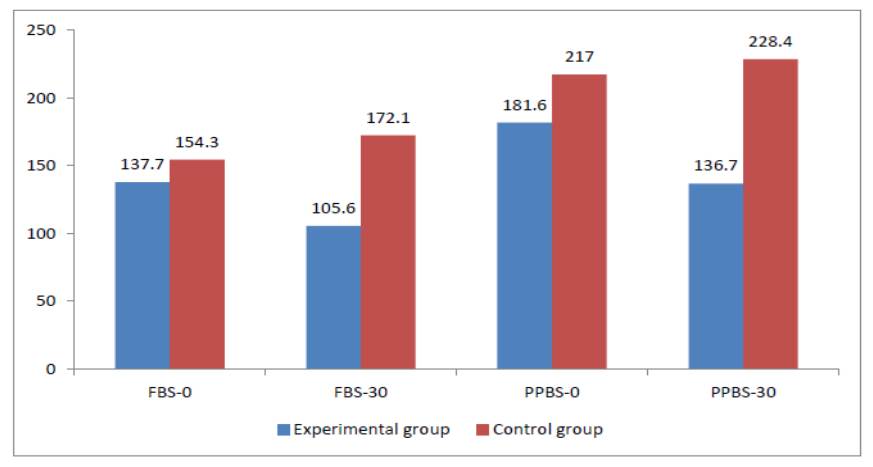
    <heading><span><bold>1 Introduction </bold></span></heading><p><span>Diabetes mellitus (DM) is a group of metabolic diseases characterized by high levels of blood glucose. DM can cause many acute and chronic complications if left untreated. Diabetes mellitus occurs throughout the world but is more common (especially type 2) in the more developed countries. The greatest increase in prevalence is, however, occurring in low- and middle-income countries including in Asia and Africa.</span></p><p><span>The prevalence of diabetes for all age-groups worldwide was estimated to be 2.8% in 2000 and 4.4% in 2030<superscript>[<xref ref-type="link" rid="#ref-1">1</xref>]</superscript>. Type 2 diabetes makes up about 85-90% of all cases. As of 2016, an estimated 422 million adults are living with diabetes mellitus, according to the data from the World Health Organization (WHO)<superscript>[<xref ref-type="link" rid="#ref-2">2</xref>]</superscript>. Diabetes prevalence is increasing rapidly, and the total number of people with diabetes is projected to rise from 171 million in 2000 to 366 million in 2030.</span></p><p><span>Until recently, India had more diabetics than any other country in the world, according to the International Diabetes Foundation,<superscript>[<xref ref-type="link" rid="#ref-3">3</xref>]</superscript><superscript> </superscript>although the country has now been surpassed in the top spot by China<superscript>[<xref ref-type="link" rid="#ref-4">4</xref>]</superscript>. Diabetes currently affects more than 62 million Indians, which is more than 7.1% of the adult population<superscript>[<xref ref-type="link" rid="#ref-5">5</xref>]</superscript>. According to the Indian Heart Association, India is projected to be home to 109 million individuals with diabetes by 2035<superscript>[<xref ref-type="link" rid="#ref-6">6</xref>]</superscript>. The average age of onset is 42.5 years<superscript>[<xref ref-type="link" rid="#ref-3">3</xref>]</superscript>.</span></p><p><span>The WHO estimates that diabetes resulted in 1.5 million deaths in 2012, making it the 8th leading cause of death<superscript>[<xref ref-type="link" rid="#ref-2">2</xref>]</superscript>. However, another 2.2 million deaths worldwide were attributable to high blood glucose and the increased risks of associated complications (e.g. heart disease, stroke, kidney failure).</span></p><p><span>The prevalence of diabetes is higher in men than women, but there are more women with diabetes than men. The urban population in developing countries is projected to double between 2000 and 2030. The most important demographic change to diabetes prevalence across the world appears to be the increase in the proportion of people &gt;65 years of age.</span></p><p><span>In developing countries, the majority of people with diabetes are in the 45- to 64-year age range, similar to the finding reported previously<superscript>[<xref ref-type="link" rid="#ref-7">7</xref>]</superscript>. In contrast, the majority of people with diabetes in developed countries are &gt;64 years of age. By 2030, it is estimated that the number of people with diabetes &gt;64 years of age will be &gt;82 million in developing countries and &gt;48 million in developed countries.</span></p><p><span>The increase in incidence in developing countries follows the trend of urbanization and lifestyle changes, including increasingly sedentary lifestyles, less physically demanding work and the global nutrition transition, marked by increased intake of foods that are high energy-dense but nutrient-poor (often high in sugar and saturated fats, referred to as the Western pattern diet)<superscript>[<xref ref-type="link" rid="#ref-1">1</xref>, <xref ref-type="link" rid="#ref-2">2</xref>]</superscript>.</span></p><heading><span><bold>1.1 Dietary Management in DM</bold></span></heading><p><span>There are many dietary advice and options readily available for diabetics. Diet is considered to be one of the cornerstones in the management of diabetes mellitus and more so in the case of noninsulin-dependent diabetes mellitus (NIDDM), in which the primary derangement is of Carbohydrate metabolism, with secondary abnormalities of lipid and protein metabolism. Dietary management of diabetes involves the reduction of postprandial hyperglycemia and good glycemic control.</span></p><p><span>Foods with a low glycemic index have lower blood glucose response and are useful to manage Type 2 diabetes and also tend to improve control of blood pressure and plasma low density lipoprotein cholesterol levels due to less pronounced insulin response.</span></p><p><span>It is well documented that consumption of whole grains, even without reduction in overall carbohydrate intake, reduces risk factors for CVD, including BMI, insulin sensitivity, and type 2 diabetes. Various epidemiologic cohort studies have demonstrated that a 2- or 3-serving-per-day increase in whole grain consumption is associated with a 20–30% decrease in type 2 diabetes, even after adjustment for confounders such as age, gender, and BMI<superscript>[<xref ref-type="link" rid="#ref-11">11</xref>-<xref ref-type="link" rid="#ref-13">13</xref>]</superscript>.</span></p><heading><span><bold>1.2 Review of Literature</bold></span></heading><p><span>Currently, there is no known cure for DM<superscript>[<xref ref-type="link" rid="#ref-8">8</xref>]</superscript>. The management primarily concentrates on keeping the blood sugar levels under good control, while at the same time also avoiding hypoglycemia. Patients with a good control of blood sugars have been shown to have less risk of complications as compared with patients with poor glycemic control<superscript>[<xref ref-type="link" rid="#ref-9">9</xref>, <xref ref-type="link" rid="#ref-10">10</xref>]</superscript>. </span></p><p><span>Some have even provided advice on food groups down to grain type<superscript>[<xref ref-type="link" rid="#ref-14">14</xref>]</superscript>. Recently, millets are receiving increasing spotlight in combating diabetes as a dietary option. Indeed, there are evidences to support that millets have many properties making it a good dietary option for diabetics. The ability of certain millets and pseudocereals to lower postprandial glycemia has been extensively studied<superscript>[<xref ref-type="link" rid="#ref-3">3</xref>]</superscript>. </span></p><p><span>Amongst millets antidiabetic properties, a study in India reported that patients with T2D fed with foxtail millet for 90 days showed improved glycaemic control as well as other improvements<superscript>[<xref ref-type="link" rid="#ref-15">15</xref>]</superscript>. The patients were given the diet of a combination of foxtail millet, split black gram and spice mix with a high degree of compliance. The result showed a reduced HbA1c, fasting glucose, insulin, and total cholesterol, triglyceride, and LDL concentrations. These were all indications that this diet had a positive impact on DM patients. </span></p><p><span>The ability of certain pseudo-cereals to lower postprandial glycemia has also been previously reported, including the second meal effect. The second meal effect is the ability of grains to reduce postprandial glycemia not only after a meal at which they were taken but also at a subsequent meal in the day. This effect is beneficial for blood glucose control in diabetic patients and also causes an unanticipated decrease in insulin demands at the subsequent meal.</span></p><p><span>Jenkins </span><italic><span>et al</span></italic><span>.<superscript>[<xref ref-type="link" rid="#ref-16">16</xref>]</superscript><superscript> </superscript>determined that the Staub-Traugott effect (the second meal effect), lasted from breakfast to lunch (a 4 hour period) by showing that slow digesting carbohydrate breakfast meals improved glucose tolerance during a subsequent lunch. </span></p><p><span>Other studies made in individuals with celiac disease showed that quinoa has a glycemic index slightly lower than that of gluten free bread and pasta<superscript>[<xref ref-type="link" rid="#ref-17">17</xref>]</superscript>. </span></p><p><span>Despite the high GI of quinoa and early high blood glucose peak (peak at 30 min in healthy and at 60 min in diabetic subjects)<superscript>[<xref ref-type="link" rid="#ref-18">18</xref>]</superscript>, concentrations of blood glucose after consuming quinoa meal breakfasts steadily began to decline and returned to below baseline levels. This could be explained by the fact that quinoa contains considerably a high content of health-beneficial phytochemicals including vitamin E, iron, zinc and magnesium contents, as well as saponins, phenolics and phytosterols<superscript>[<xref ref-type="link" rid="#ref-19">19</xref>]</superscript>. These bioactive compounds may attenuate carbohydrate metabolism and hyperglycemia; improve pancreatic β- cell function and insulin release<superscript>[<xref ref-type="link" rid="#ref-20">20</xref>]</superscript>. </span></p><p><span>Abugoch </span><italic><span>et al.</span></italic><span> found antioxidants capacity compounds such as polyphenols, phytosterols, and flavonoids in grains of quinoa<superscript>[<xref ref-type="link" rid="#ref-21">21</xref>]</superscript>. These compounds may be related to the effects of the reduction in postprandial glucose levels in the individuals tested, suggesting an improvement in insulin action and pancreatic function. </span></p><p><span>Gabrial </span><italic><span>et al</span></italic><span>.<superscript>[<xref ref-type="link" rid="#ref-22">22</xref>]</superscript><superscript> </superscript>found that a second-meal effect in the form of a reduced glucose response to a high GI lunch was also shown after quinoa breakfast meal. The results add to evidence that quinoa improves glucose tolerance at a subsequent high glycemic second meal. Furthermore, in diabetic subjects they found that that quinoa breakfast meal improved postprandial glycemia, resulting in a flattened postprandial curve, indicating modulation in insulin response to the glucose released into blood, and prevention of rebound hypoglycemia. </span></p><p><span>The second meal effect of quinoa may be attributed to the fact that quinoa contains Alpha-glucosidase inhibitors which act at the small intestine's brush border, inactivating the enzyme responsible for breaking down complex carbohydrates (slowing digestion and absorption of high GI meal lunch), prolonging glucose absorption, and flattening the postprandial glycemic curve. </span></p><p><span>Plasma cholesterol concentration has also been found to decrease by consumption of quinoa seeds. Some proteins from quinoa can influence the total serum cholesterol level. It is suggested that the hypocholesterolemic effect of quinoa could be produced by the fiber, saponins or squalene, which are also present in these seeds.</span></p><heading><span><bold>2 Materials and Methods </bold></span></heading><heading><span><bold>2.1 Objectives         </bold></span></heading><p><span>1. To assess the glycemic state of diabetic subjects using fasting and post-prandial blood sugars. </span></p><p><span>2. To analyze their nutrient intake using 24 hour dietary record. </span></p><p><span>3. To formulate and supplement quinoa based meal to the experimental group subjects for a period of 4 weeks. </span></p><p><span>4. To determine the post-prandial blood sugars at baseline, during and after supplementation. </span></p><p><span>5. To correlate the biochemical and dietary intake of experimental and control group subjects.</span></p><heading><span><bold>2.2 Sampling Technique</bold></span></heading><p><span>The sampling technique used in this study was convenience sampling. All the subjects who were diagnosed to have diabetes mellitus and also who fulfilled the inclusion criteria were selected randomly for initial assessment. </span></p><heading><span><bold>2.3 Sample Size</bold></span></heading><p><span>In the present study the subjects were split into experimental and control groups, out of which equal number of equal number of samples (10) were taken into supplemental group and control group as well out of 30 samples. </span></p><heading><span><bold>2.4 Criteria for Selection of Samples </bold></span></heading><list><list-item><p><span><bold>Inclusion Criteria</bold></span></p><list><list-item><p><span>Subjects who are &gt;18 years of age </span></p></list-item><list-item><p><span>Subjects who are diagnosed to have diabetes mellitus, and </span></p></list-item><list-item><p><span>Subjects who are on stable treatment for &gt;1 month. </span></p></list-item></list></list-item><list-item><p><span><bold>Exclusion Criteria</bold></span></p><list><list-item><p><span>Those who are not willing to participate. </span></p></list-item><list-item><p><span>Subjects who are &lt; 18 years of age and </span></p></list-item><list-item><p><span>Subjects who are not on stable treatment for &gt;1 month. </span></p></list-item></list></list-item></list><heading><span><bold>2.5 Duration of Study</bold></span></heading><p><span>4 weeks.</span></p><heading><span><bold>2.6 Supplementation Period</bold></span></heading><p><span>Once a day at lunch time for 4 weeks. </span></p><heading><span><bold>2.7 Tools Used For Data Collection</bold></span></heading><p><span>The tool used in data collection was Anthropometric assessment. An interview schedule is used in the present study to collect the information about the subjects. </span></p><heading><span><bold>2.8 Anthropometric Assessment</bold></span></heading><p><span>Anthropometric measurements like Height, Weight, and BMI were taken for the subjects both before and after supplementation to compare their initial and final nutritional status. </span></p><heading> </heading><heading><span><bold>2.9 Interview Schedule</bold></span></heading><p><span>An interview schedule is used in the present study to collect the information about the subjects. They include demographic data to know the personal details and past medical history to collect the co morbid condition. </span></p><p><span>Each individual was interviewed with an interview schedule which consists of-</span></p><list><list-item><p><span>Name </span></p></list-item><list-item><p><span>Age </span></p></list-item><list-item><p><span>Sex </span></p></list-item><list-item><p><span>Past medical history </span></p></list-item><list-item><p><span>Diet history </span></p></list-item></list><heading><span><bold>2.10 Biochemical Assessment</bold></span></heading><p><span>Fasting and post-prandial blood sugars were performed in all the subjects before supplementation, to have a view of their baseline glycemic status. Post-prandial sugars were checked during the period of supplementation on every alternate day for the experimental group subjects and control group subjects. The blood sugar assessments of all the subjects were done using a point of care standardized glucometer.</span></p><heading><span><bold>2.11 24 Hour Dietary Record</bold></span></heading><p><span>A menu recording the list of foods consumed over the preceding 24 hours. This helps in recording their calorie, protein, fat, and carbohydrate intake. Thus, in the present study, the calorie and carbohydrate count was calculated using the dietary record which has been collected at baseline, every 10 days during supplementation, and at end of study in the experimental group and in the control group.</span></p><heading><span><bold>2.12 Phase I – Initial Assessment</bold></span></heading><p><span>The initial assessment of each subject participating in the study was assessed using anthropometric data, history of past and present illness and assessing the dietary intake using 24 hour dietary recall method, and fasting, post-prandial sugar assessment. The informed consent form was explained in detail to the selected subjects. </span></p><heading><span><bold>2.13 Phase II – Supplementation and Counselling</bold></span></heading><p><span>Those subjects in the experiment group were supplemented with quinoa based meals at lunch daily. Informed consent was obtained from all the participants before supplementation. Those subjects in the control group were given proper nutritional counseling about the importance of carbohydrate counting and glycemic control. The post-prandial sugar assessment was done every alternate day during the 4 weeks of supplementation in experimental and in control group to check the glycemic status.</span></p><heading> </heading><heading><span><bold>2.14 Phase III Reassessment</bold></span></heading><p><span>Reassessment of all the subjects belonging to both study and control group was done. After the supplementation post-prandial blood sugars were collected for analysis. Nutritional intake was also analyzed again at the end of the supplementation with 24 hour dietary recall for both experimental and control for improvement in their food intake. </span></p><heading><span><bold>2.15 Statistical Analysis</bold></span></heading><p><span>The results were tabulated and interpreted using appropriate statistical analysis. Mean, standard Deviation and Mann Whitney test and Wilcoxon signed rank test was done to assess the significance. </span></p><heading><span><bold>3 Observations and Discussion </bold></span></heading><heading><span><bold>3.1 Descriptive Statistics</bold></span></heading><p><span><bold>Demographic Data: </bold>The demographic data is a collection of information about the characteristics of a study population, such as the age, gender, history of the participants. The demographic data of the current study is presented below: </span></p><figure id="table-1"><table><thead><tr><th rowspan="2"><span><bold>Age</bold></span></th><th colspan="2"><p><span><bold>Experimental group</bold></span></p></th><th colspan="2"><p><span><bold>Control group</bold></span></p></th></tr><tr><th><span><bold>No.</bold></span></th><th><span><bold>%</bold></span></th><th><span><bold>No.</bold></span></th><th><span><bold>%</bold></span></th></tr></thead><tbody><tr><td><span>20- 30</span></td><td><span>1</span></td><td><span>10.0</span></td><td><span>1</span></td><td><span>10.0</span></td></tr><tr><td><span>30-39</span></td><td><span>3</span></td><td><span>30.0</span></td><td><span>4</span></td><td><span>40.0</span></td></tr><tr><td><span>40-49</span></td><td><span>3</span></td><td><span>30.0</span></td><td><span>3</span></td><td><span>30.0</span></td></tr><tr><td><span>50-59</span></td><td><span>3</span></td><td><span>30.0</span></td><td><span>2</span></td><td><span>20.0</span></td></tr><tr><td><span>Total</span></td><td><span>10</span></td><td><span>100.0</span></td><td><span>10</span></td><td><span>100.0</span></td></tr></tbody></table><figcaption><bold>Table 1: Age group </bold></figcaption></figure><p> </p><p><span>[Table.  1] shows that, subjects in the age group between 20 to 60 years have participated in the study. The majority of the subjects fall in the 30-39 years age group, with 40% in the control group and 30% in the experimental group.</span></p><heading><span><bold>3.2 Gender profile</bold></span></heading><p><span>All subjects are male in the control group (n=10), while in the experimental group 90% (n=9) are males and 10 % (n=1) are females. There is increasing evidence that sex and gender differences are important in epidemiology, path physiology, treatment, and outcomes in many diseases, but they appear to be particularly relevant for non-communicable diseases. In the domain of endocrinology and metabolism, the greatest body of evidence for important clinical implications of sexual dimorphisms comes from studies in the field of type 2 diabetes mellitus (T2DM). Diabetes is more prevalent in males (2.3 %), than in females (1.4 %). In men, poor glycemic control was found in 37% of the participants reporting non-adherence and in 19% reporting adherence. On the other hand, in women, poor glycemic control was found in 19% of the participants reporting non-adherence and in 18% reporting adherence. </span></p><p><span>The mean height in the experimental group was 165.5 ± 3.3 cm. The mean weight and BMI in the experimental group were 72.3 ± 9.6 kg, and 26.3 ± 2.9 kg/m<superscript>2</superscript> respectively. The mean height in the control group was 163.9 ± 7.5 cm. The mean weight and BMI in the experimental group were 72 ± 12.7 kg, and 26.8 ± 4.6 kg/m<superscript>2</superscript> respectively.</span></p><p><span>The subjects in the experimental group had a mild, non-significant greater height and weight, and a lower BMI as compared to control subjects <xref ref-type="link" rid="#figure-1">[Fig. 1]</xref>.</span></p><figure id="figure-1"><graphic src="https://schoproductionportal.s3.ap-south-1.amazonaws.com/data/JNUTRES/283/1777719808712.png"/><figcaption><span><bold>Fig. 1: Mean anthropometric measurements of the experimental and control group subjects</bold></span></figcaption></figure><p> </p><heading><span><bold>3.3 Blood Sugars of the Experimental Group Subjects</bold></span></heading><p><span>There was a non-significant decrease in the post-prandial blood sugar (PPBS) levels in the experimental group after supplementation from 181.6 ± 82.5 mg/dl to 136.7 ± 21.5 mg/dl (p=0.09) <xref ref-type="link" rid="#figure-2">[Fig. 2]</xref>.</span></p><figure id="figure-2"><graphic src="https://schoproductionportal.s3.ap-south-1.amazonaws.com/data/JNUTRES/283/1777719808724.emf"/><figcaption><span><bold>Fig. 2: Mean PPBS levels of the experimental group subjects before and after supplementation</bold></span></figcaption></figure><p> </p><heading> </heading><heading><span><bold>3.4 Dietary History of Experimental Group Subjects</bold></span></heading><p><span>The dietary history of all the subjects was collected using 24-hour recall method. This helps us in finding out the nutritional intake and deficit during the study period for both the experimental and control group. The history was analysed for the intake of macronutrients i.e. Carbohydrates, Protein, Fat and energy. The nutrient intake was analysed for differences before and after supplementation.</span></p><p><span>The mean intake of Energy, Protein, Carbohydrate, and Fat per day at baseline in the experimental group were 1375.5 ± 135.3kcal, 34.2 ± 6.3g, 228.9 ± 29.3g, and 35.9 ± 3.3g respectively, while after supplementation they were, 1264.3 ± 102.1kcal, 37.9 ± 5.7g, 205.2 ± 23.3g, and 32.2 ± 2.6g respectively <xref ref-type="link" rid="#table-2">[Table. 2]</xref>.</span></p><figure id="table-2"><table><thead><tr><th rowspan="2">Parameters</th><th colspan="2"><p><span><bold>Experimental group </bold></span><line-break/><span><bold>(Mean ± SD)</bold></span></p></th><th rowspan="2"><p><span><bold>p value</bold></span></p></th></tr><tr><th><p><span><bold>Before</bold></span></p></th><th><p><span><bold>After</bold></span></p></th></tr></thead><tbody><tr><td><span>Energy (kcal)</span></td><td><p><span>1375.5 ± 135.3</span></p></td><td><p><span>1264.3 ± 102.1</span></p></td><td><p><span>0.037*</span></p></td></tr><tr><td><span>Energy (kcal/kg body weight)</span></td><td><p><span>19.4 ± 3.5</span></p></td><td><p><span>17.8 ± 3</span></p></td><td><p><span>0.173</span></p></td></tr><tr><td><span>Protein (g)</span></td><td><p><span>34.2 ± 6.3</span></p></td><td><p><span>37.9 ± 5.7</span></p></td><td><p><span>0.105</span></p></td></tr><tr><td><span>Protein (g/kg body weight)</span></td><td><p><span>0.48 ± 0.11</span></p></td><td><p><span>0.53 ± 0.12</span></p></td><td><p><span>0.223</span></p></td></tr><tr><td><span>Carbohydrates (g)</span></td><td><p><span>228.9 ± 29.3</span></p></td><td><p><span>205.2 ± 23.3</span></p></td><td><p><span>0.026*</span></p></td></tr><tr><td><span>Carbohydrates (% of total kcal)</span></td><td><p><span>66 ± 3</span></p></td><td><p><span>65 ± 3</span></p></td><td><p><span>0.105</span></p></td></tr><tr><td><span>Fat (g)</span></td><td><p><span>35.9 ± 3.3</span></p></td><td><p><span>32.2 ±   2.6</span></p></td><td><p><span>0.017*</span></p></td></tr><tr><td><span>Fat (% of total kcal)</span></td><td><p><span>24 ± 2</span></p></td><td><p><span>23 ± 2</span></p></td><td><p><span>0.274</span></p></td></tr></tbody></table><figcaption><span><bold>Table 2: Mean macronutrient intake of the experimental group subjects before and after supplementation and level of significance</bold></span></figcaption></figure><p><span>*- Significant (p&lt;0.05) **- Significant (p&lt;0.01)</span></p><p> </p><p><span>There was a statistically significant decrease in the intake of energy, carbohydrates and fats (p&lt;0.05), with a non significant increase in protein intake (p=0.105).</span></p><heading><span><bold>3.5 Blood Sugars of the Control Group Subjects</bold></span></heading><p><span>There was a non-significant increase in the PPBS levels in the control group at the end of study period, with the levels changing from 217 (± 83.4) mg/dl to 228.4 (± 101.1) mg/dl (p=0.3974) <xref ref-type="link" rid="#figure-3">[Fig. 3]</xref>.</span></p><p><span>The mean FBS levels in the control group showed a non-significant increase at the end of the study period, with the mean (± SD) levels increasing from 154.3 ± 61.8 mg/dl to 172.1 ± 80.6 mg/dl (p=0.337) <xref ref-type="link" rid="#figure-4">[Fig. 4]</xref>.</span></p><p> </p><figure id="figure-3"><graphic src="https://schoproductionportal.s3.ap-south-1.amazonaws.com/data/JNUTRES/283/1777719808727.emf"/><figcaption><span><bold>Fig. 3: Mean PPBS levels in experimental and control group subjects before and after Supplementation</bold></span></figcaption></figure><p> </p><figure><graphic src="https://schoproductionportal.s3.ap-south-1.amazonaws.com/data/JNUTRES/283/1777719808730.png"/><figcaption><span><bold>Fig. 4: Mean FBS and PPBS levels in the control and experimental group at baseline and end of the study</bold></span></figcaption></figure><p> </p><heading><span><bold>3.6 Dietary History of Control Group Subjects</bold></span></heading><p><span>The mean intake of Energy, Protein, Carbohydrate, and Fat per day at baseline in the control group were 1493.6 ± 136.4kcal, 33.1 ± 6.0g, 259.3 ± 25.3, and 36.0 ± 2.9g respectively, while after supplementation they were 1417 ± 101.6kcal, 35.3 ± 4.6g, 243.6 ± 20.2g, and 33.5 ± 2.0g respectively <xref ref-type="link" rid="#table-3">[Table. 3]</xref>. </span></p><p><span>There was a statistically significant decrease in the intake of energy, carbohydrates, and fats (p&lt;0.05) with a non-significant increase in the daily protein intake (p=0.173) <xref ref-type="link" rid="#figure-5">[Fig. 5]</xref> - <xref ref-type="link" rid="#figure-8">[Fig. 8]</xref>.</span></p><figure id="table-3"><table><thead><tr><th rowspan="2"><p><span><bold>Parameter</bold></span></p></th><th colspan="2"><p><span><bold>Control group (Mean ± SD)</bold></span></p></th><th rowspan="2"><p><span><bold>p value</bold></span></p></th></tr><tr><th><p><span><bold>Before</bold></span></p></th><th><p><span><bold>After</bold></span></p></th></tr></thead><tbody><tr><td><p><span>Energy (kcal)</span></p></td><td><p><span>1493.6 ± 136.4</span></p></td><td><p><span>1417 ± 101.6</span></p></td><td><p><span>0.044*</span></p></td></tr><tr><td><p><span>Energy (kcal/kg body weight)</span></p></td><td><p><span>21.3 ± 3.8</span></p></td><td><p><span>20.1 ± 3.0</span></p></td><td><p><span>0.235</span></p></td></tr><tr><td><p><span>Protein (g)</span></p></td><td><p><span>33.1 ± 6.0</span></p></td><td><p><span>35.3 ± 4.6</span></p></td><td><p><span>0.173</span></p></td></tr><tr><td><p><span>Protein (g/kg body weight)</span></p></td><td><p><span>0.47 ± 0.1</span></p></td><td><p><span>0.5 ± 0.09</span></p></td><td><p><span>0.235</span></p></td></tr><tr><td><p><span>Carbohydrates (g)</span></p></td><td><p><span>259.3 ± 25.3</span></p></td><td><p><span>243.6 ± 20.2</span></p></td><td><p><span>0.029*</span></p></td></tr><tr><td><p><span>Carbohydrates (% of total kcal)</span></p></td><td><p><span>69 ± 2</span></p></td><td><p><span>69 ± 1</span></p></td><td><p><span>0.223</span></p></td></tr><tr><td><p><span>Fat (g)</span></p></td><td><p><span>36.0 ± 2.9</span></p></td><td><p><span>33.5 ± 2.0</span></p></td><td><p><span>0.018*</span></p></td></tr><tr><td><p><span>Fat (% of total kcal)</span></p></td><td><p><span>22 ± 2</span></p></td><td><p><span>21 ± 1</span></p></td><td><p><span>0.223</span></p></td></tr></tbody></table><figcaption><span><bold>Table 3: Mean macronutrient intake of the control group subjects at baseline and end of study</bold></span></figcaption></figure><p><span>*- Significant (p&lt;0.05) **- Significant (p&lt;0.01)</span></p><p> </p><figure id="figure-5"><graphic src="https://schoproductionportal.s3.ap-south-1.amazonaws.com/data/JNUTRES/283/1777719809046.emf"/><figcaption><span><bold>Fig. 5: Mean energy intake in experimental and control group subjects</bold></span></figcaption></figure><p> </p><figure><graphic src="https://schoproductionportal.s3.ap-south-1.amazonaws.com/data/JNUTRES/283/1777719808733.png"/><figcaption><span><bold>Fig. 6: Mean protein intake in experimental and control group subjects</bold></span></figcaption></figure><p> </p><figure id="figure-7"><graphic src="https://schoproductionportal.s3.ap-south-1.amazonaws.com/data/JNUTRES/283/1777719808736.png"/><figcaption><span><bold>Fig. 7: Mean carbohydrate intake in experimental and control group subjects</bold></span></figcaption></figure><figure id="figure-8"><graphic src="https://schoproductionportal.s3.ap-south-1.amazonaws.com/data/JNUTRES/283/1777719808739.png"/><figcaption><span><bold>Fig. 8: Mean fat intake in experimental and control group subjects</bold></span></figcaption></figure><p> </p><heading><span><bold>3.7 Nutritional Status of the Experimental and Control Group Subjects Before and After Supplementation</bold></span></heading><p><span>The baseline PPBS levels did not show a statistically significant difference between the experimental and control group. However, with supplementation, the PPBS levels at day10, day 20 and end of study were significantly lower in experimental group as compared to the control group (p&lt;0.05). The decrease in sugars at the end of study in the experimental group were highly significant when compared to control group (p&lt;0.005) <xref ref-type="link" rid="#table-4">[Table. 4]</xref>. </span></p><figure id="table-4"><table><thead><tr><th><p><span><bold>Parameter (mg/dl)</bold></span></p></th><th><p><span><bold>Experimental group</bold></span><line-break/><span><bold>(Mean ± SD)</bold></span></p></th><th><p><span><bold>Control group</bold></span><line-break/><span><bold>(Mean ± SD)</bold></span></p></th><th><p><span><bold>p value</bold></span></p></th></tr></thead><tbody><tr><td><p><span>PPBS-0</span></p></td><td><p><span>181.6 ± 82.5</span></p></td><td><p><span>217 ± 83.4</span></p></td><td><p><span>0.105</span></p></td></tr><tr><td><p><span>PPBS-10</span></p></td><td><p><span>151 ± 58.2</span></p></td><td><p><span>207.8 ± 88.0</span></p></td><td><p><span>0.024<superscript>*</superscript></span></p></td></tr><tr><td><p><span>PPBS-20</span></p></td><td><p><span>149.9 ± 41.6</span></p></td><td><p><span>225.5 ± 97.1</span></p></td><td><p><span>0.037<superscript>*</superscript></span></p></td></tr><tr><td><p><span>PPBS-30</span></p></td><td><p><span>136.7 ± 21.5</span></p></td><td><p><span>228.4 ± 101.1</span></p></td><td><p><span>0.002<superscript>**</superscript></span></p></td></tr></tbody></table><figcaption><span><bold>Table 4: Mean PPBS levels in experimental and control group subjects before and after supplementation</bold></span></figcaption></figure><p><span>*- Significant (p&lt;0.05) **- Significant (p&lt;0.01)</span></p><figure id="table-5"><table><thead><tr><th><p><span><bold>Parameter </bold></span><line-break/><span><bold>FBS (mg/dl)</bold></span></p></th><th><p><span><bold>Experimental group </bold></span><line-break/><span><bold>n=6 (Mean ± SD)</bold></span></p></th><th><p><span><bold>Control group </bold></span><line-break/><span><bold>n=6 (Mean ± SD)</bold></span></p></th><th><p><span><bold>p value</bold></span></p></th></tr></thead><tbody><tr><td><p><span>Before</span></p></td><td><p><span>137.7 ± 58.5</span></p></td><td><p><span>154.3 ± 61.8</span></p></td><td><p><span>0.284</span></p></td></tr><tr><td><p><span>After</span></p></td><td><p><span>105.6 ± 12.4</span></p></td><td><p><span>172.1 ± 80.6</span></p></td><td><p><span>0.008<superscript>**</superscript></span></p></td></tr></tbody></table><figcaption><span><bold>Table 5: Mean FBS levels in experimental and control group subjects at baseline and end of study</bold></span></figcaption></figure><p><span>*- Significant (p&lt;0.05) **- Significant (p&lt;0.01)</span></p><p> </p><figure id="table-6"><table><thead><tr><th><p><span><bold>Parameter</bold></span></p></th><th><p><span><bold>Experimental group </bold></span><line-break/><span><bold>(Mean ± SD)</bold></span></p></th><th><p><span><bold>Control group </bold></span><line-break/><span><bold>(Mean ± SD)</bold></span></p></th><th><p><span><bold>P value</bold></span></p></th></tr></thead><tbody><tr><td colspan="4"><p><span>Energy (kcal)</span></p></td></tr><tr><td><p><span>Day-0</span></p></td><td><p><span>1375.5 ± 135.3</span></p></td><td><p><span>1493.6 ± 136.4</span></p></td><td><p><span>0.0244<superscript>*</superscript></span></p></td></tr><tr><td><p><span>Day-10</span></p></td><td><p><span>1307.6 ± 139.9</span></p></td><td><p><span>1466.4 ± 97.3</span></p></td><td><p><span>0.004<superscript>**</superscript></span></p></td></tr><tr><td><p><span>Day-20</span></p></td><td><p><span>1293.3 ± 129.6</span></p></td><td><p><span>1440.8 ± 113.6</span></p></td><td><p><span>0.002<superscript>**</superscript></span></p></td></tr><tr><td><p><span>Day-30</span></p></td><td><p><span>1264.3 ± 102.1</span></p></td><td><p><span>1417.1 ± 101.6</span></p></td><td><p><span>0.002<superscript>**</superscript></span></p></td></tr><tr><td colspan="4"><p><span>Protein (g)</span></p></td></tr><tr><td><p><span>Day-0</span></p></td><td><p><span>34.2 ± 6.3</span></p></td><td><p><span>33.1 ± 6.0</span></p></td><td><p><span>0.3264</span></p></td></tr><tr><td><p><span>Day-10</span></p></td><td><p><span>36.8 ± 5.2</span></p></td><td><p><span>33.4 ± 5.0</span></p></td><td><p><span>0.081</span></p></td></tr><tr><td><p><span>Day-20</span></p></td><td><p><span>37.8 ± 5.1</span></p></td><td><p><span>34.8 ± 4.1</span></p></td><td><p><span>0.081</span></p></td></tr><tr><td><p><span>Day-30</span></p></td><td><p><span>37.9 ± 5.7</span></p></td><td><p><span>35.3 ± 4.6</span></p></td><td><p><span>0.145</span></p></td></tr><tr><td colspan="4"><p><span>Carbohydrates (g)</span></p></td></tr><tr><td><p><span>Day-0</span></p></td><td><p><span>228.9 ± 29.3</span></p></td><td><p><span>259.3 ± 25.3</span></p></td><td><p><span>0.004<superscript>**</superscript></span></p></td></tr><tr><td><p><span>Day-10</span></p></td><td><p><span>215.4 ± 30.8</span></p></td><td><p><span>253.3 ± 18.3</span></p></td><td><p><span>0.002<superscript>**</superscript></span></p></td></tr><tr><td><p><span>Day-20</span></p></td><td><p><span>211.5 ± 27.8</span></p></td><td><p><span>248 ± 21.5</span></p></td><td><p><span>0.002<superscript>**</superscript></span></p></td></tr><tr><td><p><span>Day-30</span></p></td><td><p><span>205.2 ± 23.3</span></p></td><td><p><span>243.6 ± 20.2</span></p></td><td><p><span>0.001<superscript>**</superscript></span></p></td></tr><tr><td colspan="4"><p><span>Fat (g)</span></p></td></tr><tr><td><p><span>Day-0</span></p></td><td><p><span>35.9 ± 3.3</span></p></td><td><p><span>36.0 ± 2.9</span></p></td><td><p><span>0.44</span></p></td></tr><tr><td><p><span>Day-10</span></p></td><td><p><span>33.3 ± 2.7</span></p></td><td><p><span>35.2 ± 2.3</span></p></td><td><p><span>0.093</span></p></td></tr><tr><td><p><span>Day-20</span></p></td><td><p><span>32.9 ± 3.1</span></p></td><td><p><span>34.4 ± 2.8</span></p></td><td><p><span>0.145</span></p></td></tr><tr><td><p><span>Day-30</span></p></td><td><p><span>32.2 ± 2.6</span></p></td><td><p><span>33.5 ± 2.0</span></p></td><td><p><span>0.181</span></p></td></tr></tbody></table><figcaption><span><bold>Table 6: Mean macronutrients intake and level of significance in experimental and control group subjects before and after supplementation</bold></span></figcaption></figure><p><span>*- Significant (p&lt;0.05) **- Significant (p&lt;0.01)</span></p><p> </p><p><span>The mean FBS levels were not statistically different among the two groups. But, after supplementation, the FBS levels in experimental group were very significantly lower as compared to the control group (p&lt;0.01) <xref ref-type="link" rid="#table-5">[Table. 5]</xref>. </span></p><p><span>At the end of study period, there was a significantly lower intake of energy and carbohydrates in the experimental group compared to control group (p&lt;0.01), while there was a non significant decrease in fat and increase in the protein intake in the experimental group compared to the control group. However, the trend towards significantly lower energy and carbohydrate intake in the experimental group was present from the start of the study period (p&lt;0.05) <xref ref-type="link" rid="#table-6">[Table. 6]</xref>. </span></p><heading><span><bold>4 Summary</bold></span></heading><p><span>Diabetes mellitus (DM) is a group of metabolic diseases characterized by high levels of blood glucose. DM can cause many acute and chronic complications if left untreated. Currently, there is no known cure for DM<superscript>[<xref ref-type="link" rid="#ref-10">10</xref>]</superscript>. The management primarily concentrates on keeping the blood sugar levels under good control, while at the same time also avoiding hypoglycemia. There are many dietary advice and options readily available for diabetics and diet is considered to be one of the cornerstones in the management of diabetes mellitus. The ability of certain pseudo-cereals to lower postprandial glycemia has also been previously reported, including the second meal effect. This effect is beneficial for blood glucose control in diabetic patients and also causes an unanticipated decrease in insulin demands at the subsequent meal. In diabetic subjects, quinoa breakfast meal has shown to improve postprandial glycemia by the second meal effect, resulting in a flattened postprandial curve, and prevention of rebound hypoglycemia. The current study has been planned for supplementation of quinoa meal for reducing postprandial sugars in diabetic subjects. </span></p><p><span>The sampling technique used in this study was convenience sampling. All the subjects who were diagnosed to have diabetes mellitus and who fulfilled the inclusion criteria were selected randomly for initial assessment. Ten subjects were selected into experimental and control group each. </span></p><heading><span><bold>5 Main Findings</bold></span></heading><list><list-item><p><span>Inferring the age group of the subjects, it is observed that the majority of the subjects fall in the 30-39 years age group, with 40% in the control group and 30% in the experimental group. </span></p></list-item><list-item><p><span>According to the gender distribution, it is seen that all subjects were male in the experimental group, while in the control group 10% were females and 90 % were males. </span></p></list-item><list-item><p><span>The mean height in the experimental group was 165.5 ± 3.3 cm. The mean weight and BMI in the experimental group were 72.3 ± 9.6 kg, and 26.3 ± 2.9 kg/m<superscript>2</superscript> respectively. The mean height in the control group was 163.9 ± 7.5 cm. The mean weight and BMI in the experimental group were 72 ± 12.7 kg, and 26.8 ± 4.6 kg/m<superscript>2</superscript> respectively. The subjects in the experimental group had a mild, non-significant greater height and weight, and a lower BMI as compared to control subjects. </span></p></list-item><list-item><p><span>There was a non-significant decrease in the post-prandial blood sugar (PPBS) levels in the experimental group after supplementation from 181.6 ± 82.5 mg/dl to 136.7 ± 21.5 mg/dl (p=0.09). </span></p></list-item><list-item><p><span>The Fasting blood sugar (FBS) levels showed a non-significant downward trend after supplementation, showing a beneficiary effect with the mean (± SD) levels decreasing from 137.7 ± 58.5 mg/dL to 105.6 ± 12.4 mg/dL (p=0.06).</span></p></list-item><list-item><p><span>The mean intake of Energy, Protein, Carbohydrate, and Fat per day at baseline in the experimental group were 1375.5 ± 135.3kcal, 34.2 ± 6.3g, 228.9 ± 29.3g, and 35.9 ± 3.3g respectively, while after supplementation they were, 1264.3 ± 102.1kcal, 37.9 ± </span></p></list-item><list-item><p><span>5.7g, 205.2 ± 23.3g, and 32.2 ± 2.6g respectively. There was a statistically significant decrease in the intake of energy, carbohydrates and fats (p&lt;0.05), with a non significant increase in protein intake (p=0.105). </span></p></list-item><list-item><p><span>There was a non-significant increase in the PPBS levels in the control group at the end of study period, with the levels changing from 217 (± 83.4) mg/dl to 228.4 (± 101.1) mg/dl (p=0.3974). </span></p></list-item><list-item><p><span>The mean FBS levels in the control group showed a non-significant increase at the end of the study period, with the mean (± SD) levels increasing from 154.3 ± 61.8 mg/dl to 172.1 ± 80.6 mg/dl (p=0.337) </span></p></list-item><list-item><p><span>The mean intake of Energy, Protein, Carbohydrate, and Fat per day at baseline in the control group were 1493.6 ± 136.4kcal, 33.1 ± 6.0g, 259.3 ± 25.3, and 36.0 ± 2.9g respectively, while after supplementation they were 1417 ± 101.6kcal, 35.3 ± 4.6g, 243.6 ± 20.2g, and 33.5 ± 2.0g respectively. There was a statistically significant decrease in the intake of energy, carbohydrates, and fats (p&lt;0.05) with a non-significant increase in the daily protein intake (p=0.173) </span></p></list-item><list-item><p><span>The baseline PPBS levels did not show a statistically significant difference between the experimental and control group. However, with supplementation, the PPBS levels at day10, day 20 and end of study were significantly lower in experimental group as compared to the control group (p&lt;0.05). </span></p></list-item><list-item><p><span>The mean FBS levels were not statistically different among the two groups. But, after supplementation, the FBS levels in experimental group were very significantly lower as compared to the control group (p&lt;0.01). </span></p></list-item><list-item><p><span>At the end of study, there was a significantly lower intake of energy and carbohydrates in the experimental group compared to control group (p&lt;0.01), and a non significant decrease in fat and increase in the protein intake in the experimental group. </span></p></list-item></list><heading> </heading><heading><span><bold>6 Conclusion</bold></span></heading><p><span>Improving glycemic control is one of the major therapeutic targets for subjects with diabetes mellitus. Supplementation of lunch meal with quinoa has brought about a significant decrease in postprandial blood sugars as compared with the controls. However, the decrease in sugar levels from baseline did not attain statistical significance, there was also reduction in calorie intake, carbohydrate and fat intake in both the experimental and control groups, being more significant in the experimental group. This highlights not only the effect of supplementation, but the effectiveness of nutritional counselling as well. More research on this would throw light on quinoa supplementation and the overall nutritional status of diabetic subjects.</span></p>
  </body>
  <back>
    <ref-list>
      <title>References</title>
      
        
          <ref id="ref-1">
            <element-citation publication-type="journal">
              
                <person-group person-group-type="author">
                  <name>
                    Wild S, Roglic G, Green A, Sicree R, King H
                  </name>
                </person-group>
              
              
                <article-title>Global Prevalence of Diabetes</article-title>
              
              
                <source>Diabetes Care</source>
              
              
                <year>2004</year>
              
              
                <volume>27</volume>
              
              
                <issue>5</issue>
              
              
                <uri>https://doi.org/10.2337/diacare.27.5.1047</uri>
              
            </element-citation>
          </ref>


          <ref id="ref-7">
            <element-citation publication-type="journal">
              
                <person-group person-group-type="author">
                  <name>
                    King H, Aubert RE, Herman WH
                  </name>
                </person-group>
              
              
                <article-title>Global Burden of Diabetes, 1995–2025: Prevalence, numerical estimates, and projections</article-title>
              
              
                <source>Diabetes Care</source>
              
              
                <year>1998</year>
              
              
                <volume>21</volume>
              
              
                <issue>9</issue>
              
              
                <uri>https://doi.org/10.2337/diacare.21.9.1414</uri>
              
            </element-citation>
          </ref>


          <ref id="ref-9">
            <element-citation publication-type="journal">
              
                <person-group person-group-type="author">
                  <name>
                    Buyken AE, von Eckardstein A, Schulte H, Cullen P, Assmann G
                  </name>
                </person-group>
              
              
                <article-title>Type 2 diabetes mellitus and risk of coronary heart disease: results of the 10-year follow-up of the PROCAM study</article-title>
              
              
                <source>European Journal of Cardiovascular Prevention &amp;amp; Rehabilitation</source>
              
              
                <year>2007</year>
              
              
                <volume>14</volume>
              
              
                <issue>2</issue>
              
              
                <uri>https://doi.org/10.1097/hjr.0b013e3280142037</uri>
              
            </element-citation>
          </ref>


          <ref id="ref-10">
            <element-citation publication-type="journal">
              
                <person-group person-group-type="author">
                  <name>
                    Bonora E, Formentini G, Calcaterra F, Lombardi S, Marini F, Zenari L, &lt;I&gt;et al&lt;/I&gt;
                  </name>
                </person-group>
              
              
                <article-title>HOMA-Estimated Insulin Resistance Is an Independent Predictor of Cardiovascular Disease in Type 2 Diabetic Subjects</article-title>
              
              
                <source>Diabetes Care</source>
              
              
                <year>2002</year>
              
              
                <volume>25</volume>
              
              
                <issue>7</issue>
              
              
                <uri>https://doi.org/10.2337/diacare.25.7.1135</uri>
              
            </element-citation>
          </ref>


          <ref id="ref-11">
            <element-citation publication-type="journal">
              
                <person-group person-group-type="author">
                  <name>
                    Drummond K, Mauer M
                  </name>
                </person-group>
              
              
                <article-title>The Early Natural History of Nephropathy in Type 1 Diabetes</article-title>
              
              
                <source>Diabetes</source>
              
              
                <year>2002</year>
              
              
                <volume>51</volume>
              
              
                <issue>5</issue>
              
              
                <uri>https://doi.org/10.2337/diabetes.51.5.1580</uri>
              
            </element-citation>
          </ref>


          <ref id="ref-12">
            <element-citation publication-type="journal">
              
                <person-group person-group-type="author">
                  <name>
                    Brenner BM, Cooper ME, de Zeeuw D, Keane WF, Mitch WE, Parving HH, &lt;I&gt;et al&lt;/I&gt;
                  </name>
                </person-group>
              
              
                <article-title>Effects of Losartan on Renal and Cardiovascular Outcomes in Patients with Type 2 Diabetes and Nephropathy</article-title>
              
              
                <source>New England Journal of Medicine</source>
              
              
                <year>2001</year>
              
              
                <volume>345</volume>
              
              
                <issue>12</issue>
              
              
                <uri>https://doi.org/10.1056/nejmoa011161</uri>
              
            </element-citation>
          </ref>


          <ref id="ref-16">
            <element-citation publication-type="journal">
              
                <person-group person-group-type="author">
                  <name>
                    Jenkins DJ, Wolever TM, Taylor RH, Griffiths C, Krzeminska K, Lawrie JA, &lt;I&gt;et al&lt;/I&gt;
                  </name>
                </person-group>
              
              
                <article-title>Slow release dietary carbohydrate improves second meal tolerance</article-title>
              
              
                <source>The American Journal of Clinical Nutrition</source>
              
              
                <year>1982</year>
              
              
                <volume>35</volume>
              
              
                <issue>6</issue>
              
              
                <uri>https://doi.org/10.1093/ajcn/35.6.1339</uri>
              
            </element-citation>
          </ref>


          <ref id="ref-17">
            <element-citation publication-type="journal">
              
                <person-group person-group-type="author">
                  <name>
                    Berti C, Riso P, Monti LD, Porrini M
                  </name>
                </person-group>
              
              
                <article-title>In vitro starch digestibility and in vivo glucose response of gluten?free foods and their gluten counterparts</article-title>
              
              
                <source>European Journal of Nutrition</source>
              
              
                <year>2004</year>
              
              
                <volume>43</volume>
              
              
                <issue>4</issue>
              
              
                <uri>https://doi.org/10.1007/s00394-004-0459-1</uri>
              
            </element-citation>
          </ref>


          <ref id="ref-18">
            <element-citation publication-type="journal">
              
                <person-group person-group-type="author">
                  <name>
                    Mithila MV, Khanum F
                  </name>
                </person-group>
              
              
                <article-title>Effectual comparison of quinoa and amaranth supplemented diets in controlling appetite; a biochemical study in rats</article-title>
              
              
                <source>Journal of Food Science and Technology</source>
              
              
                <year>2015</year>
              
              
                <volume>52</volume>
              
              
                <issue>10</issue>
              
              
                <uri>https://doi.org/10.1007/s13197-014-1691-1</uri>
              
            </element-citation>
          </ref>


          <ref id="ref-19">
            <element-citation publication-type="journal">
              
                <person-group person-group-type="author">
                  <name>
                    Graf BL, Rojas-Silva, P, Rojo LE, Delatorre-Herrera J, Baldeón ME, Raskin I
                  </name>
                </person-group>
              
              
                <article-title>Innovations in Health Value and Functional Food Development of Quinoa (                    &lt;i&gt;Chenopodium quinoa&lt;/i&gt; Willd.)</article-title>
              
              
                <source>Comprehensive Reviews in Food Science and Food Safety</source>
              
              
                <year>2015</year>
              
              
                <volume>14</volume>
              
              
                <issue>4</issue>
              
              
                <uri>https://doi.org/10.1111/1541-4337.12135</uri>
              
            </element-citation>
          </ref>


          <ref id="ref-20">
            <element-citation publication-type="journal">
              
                <person-group person-group-type="author">
                  <name>
                    Mirmiran P, Bahadoran Z, Azizi F
                  </name>
                </person-group>
              
              
                <article-title>Functional foods-based diet as a novel dietary approach for management of type 2 diabetes and its complications: A review</article-title>
              
              
                <source>World Journal of Diabetes</source>
              
              
                <year>2014</year>
              
              
                <volume>5</volume>
              
              
                <issue>3</issue>
              
              
                <uri>https://doi.org/10.4239/wjd.v5.i3.267</uri>
              
            </element-citation>
          </ref>


          <ref id="ref-21">
            <element-citation publication-type="journal">
              
                <person-group person-group-type="author">
                  <name>
                    Abugoch James LE
                  </name>
                </person-group>
              
              
                <article-title>Quinoa (&lt;I&gt;Chenopodium quinoa&lt;/I&gt; Willd.): Composition, chemistry, nutritional and functional properties</article-title>
              
              
                <source>Advances in Food and Nutrition Research</source>
              
              
                <year>2009</year>


                <uri>https://doi.org/10.1016/s1043-4526(09)58001-1</uri>
              
            </element-citation>
          </ref>


          <ref id="ref-22">
            <element-citation publication-type="journal">
              
                <person-group person-group-type="author">
                  <name>
                    Gabrial SGN, Shakib M-CR, Gabrial GN
                  </name>
                </person-group>
              
              
                <article-title>Effect of Pseudocereal-Based Breakfast Meals on the First and Second Meal Glucose Tolerance in Healthy and Diabetic Subjects</article-title>
              
              
                <source>Open Access Macedonian Journal of Medical Sciences</source>
              
              
                <year>2016</year>
              
              
                <volume>4</volume>
              
              
                <issue>4</issue>
              
              
                <uri>https://doi.org/10.3889/oamjms.2016.115</uri>
              
            </element-citation>
          </ref>
        
      
    </ref-list>
  </back>
</article>